How should I Take Zanaflex ?

To reduce the risk of experiencing side effects, the recommended initial adult dose of tizanidine is 2 mg up to 3 times daily. The dose is then increased gradually in 2 mg to 4 mg steps until an effective dose is reached. The most common maintenance dose is 8 mg taken up to 3 times daily (every 6 to 8 hours). Do not take more than 36 mg of tizanidine within a 24-hour period.

Many things can affect the dose of medication that a person needs, such as body weight, other medical conditions, and other medications. If your doctor has recommended a dose different from the ones listed here, do not change the way that you are taking the medication without talking to your doctor. Always take tizanidine exactly as prescribed by your doctor.

Tizanidine can be taken with or without meals, however taking tizanidine with food may increase the side effects of this medication. Always take tizanidine the same way, either with food or on an empty stomach.

Stopping the medication suddenly may cause an increase in blood pressure, rapid heart rate and muscle spasms. Talk to your doctor to find a safe way to stop taking the medication.

It is important to take this medication exactly as prescribed by your doctor. If you miss a dose of this medicine take it as soon as possible, if you remember within an hour or so of the missed dose. If you do not remember until later, skip the missed dose and continue with your regular dosing schedule. Do not take a double dose to make up for a missed one. If you are not sure what to do after missing a dose, contact your doctor or pharmacist for advice.

Store tizanidine away from heat and direct light and keep it out of the reach of children.

Do not dispose of medications in wastewater (e.g. down the sink or in the toilet) or in household garbage. Ask your pharmacist how to dispose of medications that are no longer needed or have expired.

How Does this Zanaflex Work?

Tizanidine belongs to a group of medications called muscle relaxants. Tizanidine is used to treat spasticity, a condition where muscles in your body spasm, cramp, or become tight due to medical problems such as multiple sclerosis or spine injury. Muscle relaxants work by blocking excess firing of the nerve cells that control muscle movement.

The benefits of tizanidine are related to its effects on the nervous system. The beneficial effects of tizanidine are noticeable within about one hour of taking the first dose.

This medication may be available under multiple brand names and/or in several different forms. Any specific brand name of this medication may not be available in all of the forms or approved for all of the conditions discussed here. As well, some forms of this medication may not be used for all of the conditions discussed here.

Your doctor may have suggested this medication for conditions other than those listed in these drug information articles. If you have not discussed this with your doctor or are not sure why you are taking this medication, speak to your doctor. Do not stop taking this medication without consulting your doctor.

Do not give this medication to anyone else, even if they have the same symptoms as you do. It can be harmful for people to take this medication if their doctor has not prescribed it.

Zanaflex Prescription

Zanaflex is a central alpha-2-adrenergic agonist indicated for the management of spasticity. Because of the short duration of therapeutic effect, treatment with Zanaflex should be reserved for those daily activities and times when relief of spasticity is most important.

DOSAGE AND ADMINISTRATION

• Recommended starting dose: 2 mg; dose can be repeated at 6 to 8 hour intervals, up to a maximum of 3 doses in 24 hours (2.1)
• Dosage can be increased by 2 mg to 4 mg per dose, with 1 to 4 days between increases; total daily dose should not exceed 36 mg (2.1)
• Tizanidine pharmacokinetics differs between tablets and capsules, and when taken with or without food. These differences could result in a change in tolerability and control of symptoms (2.1, 12.3)
• To discontinue Zanaflex, decrease dose slowly to minimize the risk of withdrawal and rebound hypertension, tachycardia, and hypertonia (2.2)

[pdf-embedder url=”https://buyzanaflex.com/wp-content/uploads/2021/02/zanaflexpi-final-fda-approved-subm111813.pdf”]

Precautions of Zanaflex

It is important that your doctor check your progress at regular visits, especially during the first few weeks of treatment with this medicine. This will allow your doctor to see if the medicine is working properly and to check for unwanted effects. Blood tests may be needed to check for unwanted effects.

White Round U 169 - Tizanidine Hydrochloride 4mg Tablet

Do not use this medicine together with ciprofloxacin or fluvoxamine. Using these medicines together may cause serious unwanted effects.

Dizziness, lightheadedness, or fainting may occur when you get up suddenly from a lying or sitting position. Getting up slowly may help lessen this problem.

Check with your doctor right away if you have pain or tenderness in the upper stomach, pale stools, dark urine, loss of appetite, nausea, vomiting, or yellow eyes or skin. These could be symptoms of a serious liver problem.

White Round M 724 - Tizanidine Hydrochloride 4mg Tablet

This medicine will add to the effects of alcohol and other CNS depressants (medicines that make you drowsy or less alert). Some examples of CNS depressants are antihistamines or medicine for hay fever, other allergies, or colds, sedatives, tranquilizers, or sleeping medicine, prescription pain medicine or narcotics, barbiturates, medicine for seizures, other muscle relaxants, or anesthetics, including some dental anesthetics. Check with your doctor before taking any of the above while you are using tizanidine.

White Round Apo Ti-4 - Tizanidine Hydrochloride 4mg Tablet

This medicine may cause dizziness, drowsiness, lightheadedness, clumsiness or unsteadiness, or vision problems in some people. Make sure you know how you react to this medicine before you drive, use machines, or do anything else that could be dangerous if you are not alert, well-coordinated, and able to see well.

Hallucinations (visual) may occur while you are using this medicine. Check with your doctor right away if you have hallucinations (seeing things that are not there).

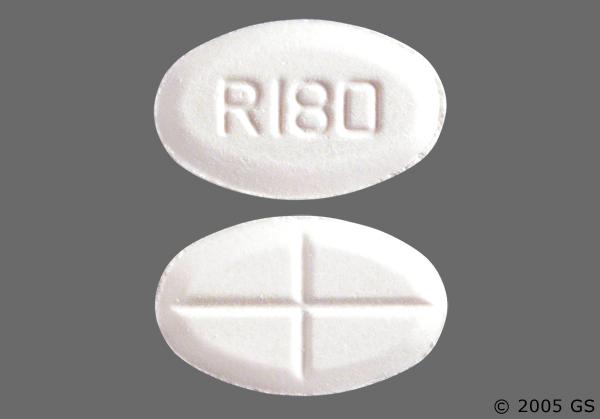
White Oval R180 - Tizanidine Hydrochloride 4mg Tablet

This medicine may cause serious allergic reactions, including anaphylaxis. Anaphylaxis can be life-threatening and requires immediate medical attention. Call your doctor right away if you have a rash, itching, trouble breathing, trouble swallowing, or any swelling of your hands, face, or mouth while you are using this medicine.

White Round E 44 - Tizanidine Hydrochloride 4mg Tablet

Do not suddenly stop taking this medicine without checking first with your doctor. Your doctor may want you to gradually reduce the amount you are using before stopping completely. This may help prevent a possible worsening of your condition and reduce the possibility of withdrawal symptoms.

White Round 503 - Tizanidine Hydrochloride 4mg Tablet

Tizanidine may cause dryness of the mouth. For temporary relief, use sugarless candy or gum, melt bits of ice in your mouth, or use a saliva substitute. However, if dry mouth continues for more than 2 weeks, check with your medical doctor or dentist. Continuing dryness of the mouth may increase the chance of dental disease, including tooth decay, gum disease, and fungus infections.

Zanaflex Drug Interactions

Although certain medicines should not be used together at all, in other cases two different medicines may be used together even if an interaction might occur. In these cases, your doctor may want to change the dose, or other precautions may be necessary. When you are taking this medicine, it is especially important that your healthcare professional know if you are taking any of the medicines listed below. The following interactions have been selected on the basis of their potential significance and are not necessarily all-inclusive.

Using this medicine with any of the following medicines is not recommended. Your doctor may decide not to treat you with this medication or change some of the other medicines you take.

  • Amisulpride
  • Bepridil
  • Ciprofloxacin
  • Cisapride
  • Dronedarone
  • Fluvoxamine
  • Mesoridazine
  • Pimozide
  • Saquinavir
  • Sparfloxacin
  • Terfenadine
  • Thioridazine
  • Ziprasidone

Using this medicine with any of the following medicines is usually not recommended, but may be required in some cases. If both medicines are prescribed together, your doctor may change the dose or how often you use one or both of the medicines.

  • Alfentanil
  • Alfuzosin
  • Amiodarone
  • Anagrelide
  • Aripiprazole
  • Aripiprazole Lauroxil
  • Arsenic Trioxide
  • Asenapine
  • Astemizole
  • Bedaquiline
  • Benzhydrocodone
  • Bromazepam
  • Buprenorphine
  • Buserelin
  • Butorphanol
  • Cannabidiol
  • Ceritinib
  • Cimetidine
  • Citalopram
  • Clarithromycin
  • Clofazimine
  • Clozapine
  • Codeine
  • Crizotinib
  • Cyclobenzaprine
  • Dabrafenib
  • Dasatinib
  • Deferasirox
  • Degarelix
  • Delamanid
  • Deslorelin
  • Desogestrel
  • Deutetrabenazine
  • Dienogest
  • Dihydrocodeine
  • Disopyramide
  • Dofetilide
  • Domperidone
  • Donepezil
  • Doxylamine
  • Droperidol
  • Drospirenone
  • Efavirenz
  • Encorafenib
  • Entrectinib
  • Erythromycin
  • Escitalopram
  • Esketamine
  • Estradiol Valerate
  • Ethinyl Estradiol
  • Ethynodiol Diacetate
  • Famotidine
  • Fentanyl
  • Fingolimod
  • Flecainide
  • Flibanserin
  • Fluconazole
  • Fluoxetine
  • Foscarnet
  • Gatifloxacin
  • Gestodene
  • Glasdegib
  • Glycopyrrolate
  • Glycopyrronium Tosylate
  • Gonadorelin
  • Goserelin
  • Halofantrine
  • Haloperidol
  • Histrelin
  • Hydrocodone
  • Hydromorphone
  • Hydroquinidine
  • Hydroxychloroquine
  • Hydroxyzine
  • Ibutilide
  • Iloperidone
  • Inotuzumab Ozogamicin
  • Ivabradine
  • Ivosidenib
  • Ketoconazole
  • Lapatinib
  • Lefamulin
  • Lenvatinib
  • Leuprolide
  • Levofloxacin
  • Levonorgestrel
  • Levorphanol
  • Lofexidine
  • Loxapine
  • Lumefantrine
  • Macimorelin
  • Mefloquine
  • Meperidine
  • Mestranol
  • Methadone
  • Metoclopramide
  • Metronidazole
  • Mexiletine
  • Midazolam
  • Mizolastine
  • Morphine
  • Morphine Sulfate Liposome
  • Moxifloxacin
  • Nafarelin
  • Nalbuphine
  • Nilotinib
  • Norethindrone
  • Norfloxacin
  • Norgestimate
  • Norgestrel
  • Ofloxacin
  • Ondansetron
  • Osimertinib
  • Oxycodone
  • Oxymorphone
  • Paliperidone
  • Panobinostat
  • Pasireotide
  • Pazopanib
  • Peginterferon Alfa-2b
  • Pentamidine
  • Pentazocine
  • Periciazine
  • Pimavanserin
  • Pitolisant
  • Pixantrone
  • Posaconazole
  • Procainamide
  • Propafenone
  • Quetiapine
  • Quinidine
  • Quinine
  • Ranolazine
  • Remifentanil
  • Revefenacin
  • Ribociclib
  • Rofecoxib
  • Scopolamine
  • Secretin Human
  • Sertindole
  • Sertraline
  • Sevoflurane
  • Siponimod
  • Sodium Phosphate
  • Sodium Phosphate, Dibasic
  • Sodium Phosphate, Monobasic
  • Sotalol
  • Sufentanil
  • Sulpiride
  • Sunitinib
  • Tacrolimus
  • Tapentadol
  • Telithromycin
  • Tetrabenazine
  • Ticlopidine
  • Tiotropium
  • Tramadol
  • Trazodone
  • Triclabendazole
  • Triptorelin
  • Vandetanib
  • Vemurafenib
  • Verapamil
  • Vinflunine
  • Voriconazole
  • Zileuton
  • Zolpidem
  • Zuclopenthixol

Using this medicine with any of the following medicines may cause an increased risk of certain side effects, but using both drugs may be the best treatment for you. If both medicines are prescribed together, your doctor may change the dose or how often you use one or both of the medicines.

  • Fosphenytoin
  • Lisinopril
  • Phenytoin

Dosing of Zanaflex

Dosing

The dose of this medicine will be different for different patients. Follow your doctor’s orders or the directions on the label. The following information includes only the average doses of this medicine. If your dose is different, do not change it unless your doctor tells you to do so.

The amount of medicine that you take depends on the strength of the medicine. Also, the number of doses you take each day, the time allowed between doses, and the length of time you take the medicine depend on the medical problem for which you are using the medicine.

  • For oral dosage forms (capsules or tablets):
    • For muscle relaxation:
      • Adults—At first, 2 milligrams (mg) every 6 to 8 hours. Your doctor may adjust your dose as needed. Do not take more than 36 mg within a 24-hour period.
      • Children—Use and dose must be determined by your doctor.

Vitamin B2 for the Prevention of the Migraine headaches and

Migraine headaches typically produce intense pulsing or throbbing pain in one area of the head .

These headaches are sometimes preceded or accompanied by aura (transient focal neurological symptoms before or during the headaches). Mitochondrial dysfunction is thought to play a causal role in some types of migraine .Because riboflavin is required for mitochondrial function, researchers are studying the potential use of riboflavin to prevent or treat migraine headaches .

Some, but not all, of the few small studies conducted to date have found evidence of a beneficial effect of riboflavin supplements on migraine headaches in adults and children. In a randomized trial in 55 adults with migraine, 400 mg/day riboflavin reduced the frequency of migraine attacks by two per month compared to placebo. In a retrospective study in 41 children (mean age 13 years) in Italy, 200 or 400 mg/day riboflavin for 3 to 6 months significantly reduced the frequency (from 21.7 ± 13.7 to 13.2 ± 11.8 migraine attacks over a 3-month period) and intensity of migraine headaches during treatment. The beneficial effects lasted throughout the 1.5-year follow-up period after treatment ended. However, two small randomized studies in children found that 50 to 200 mg/day riboflavin did not reduce the number of migraine headaches or headache severity compared to placebo.

The Quality Standards Subcommittee of the American Academy of Neurology and the American Headache Society concluded that riboflavin is probably effective for preventing migraine headaches and recommended offering it for this purpose. The Canadian Headache Society recommends 400 mg/day riboflavin for migraine headache prevention, noting that although the evidence supporting this recommendation is of low quality, there is some evidence for benefit and side effects (such as discolored urine) are minimal.

What is Muscle Relaxant and Where to Buy Muscle Relaxant ?

muscle relaxant is a drug that affects skeletal muscle function and decreases the muscle tone.

It may be used to alleviate symptoms such as muscle spasms, pain, and hyperreflexia. The term “muscle relaxant” is used to refer to two major therapeutic groups: neuromuscular blockers and spasmolytics. Neuromuscular blockers act by interfering with transmission at the neuromuscular end plate and have no central nervous system (CNS) activity.

They are often used during surgical procedures and in intensive care and emergency medicine to cause temporary paralysis. Spasmolytics, also known as “centrally acting” muscle relaxants, are used to alleviate musculoskeletal pain and spasms and to reduce spasticity in a variety of neurological conditions. While both neuromuscular blockers and spasmolytics are often grouped together as muscle relaxants, the term is commonly used to refer to spasmolytics only.

Muscle relaxant is a term usually used to refer to skeletal muscle relaxants (drugs), which act on the central nervous system (CNS) to relax muscles. These drugs are often prescribed to reduce pain and soreness associated with sprains, strains, or other types of muscle injury. Some examples of commonly prescribed skeletal muscle relaxant medications include carisoprodol (Soma), cyclobenzaprine (Flexeril), and metaxalone (Skelaxin), which are taken in tablet form. Muscle relaxant drugs are only available by prescription in the U.S.

Other types of muscle relaxant drugs (neuromuscular blocking drugs) are sometimes used during the induction of general anesthesia or during insertion of an endotracheal (ET) tube. These muscle relaxants are given intravenously (through the bloodstream) and act directly on the muscles. Examples of muscle relaxants used during surgical procedures include succinylcholine (Anectine, Sucostrin), atracurium (Tracrium), and pancuronium (Pavulon).

Medications used as muscle relaxers can differ in their chemical structures and the way they work in the brain. In general, muscle relaxers act as central nervous system depressants and cause a sedative effect or prevent your nerves from sending pain signals to your brain. The onset of action is rapid and effects typically last from 4-6 hours.

Muscle Relaxant Side Effects

Some of the common side effects of muscle relaxers include:

  • Drowsiness
  • Dizziness
  • Agitation
  • Irritability
  • Headache
  • Nervousness
  • Dry mouth
  • Decreased blood pressure

The most commonly prescribed muscle relaxers are carisoprodol (Soma) and cyclobenzaprine (Flexeril). According to data from IMS Health, there were 4.2 million prescriptions of Soma and 28.4 million prescriptions of Flexeril dispensed in the United States in 2017.

Muscle Relaxer Abuse

Soma (Carisoprodol ) is a controlled prescription and you can not buy Soma online. For more information about muscle relaxant, please check Muscle Relaxant 

Muscle relaxers have a potential for abuse and addiction. Prolonged use can lead to increased tolerance and physical dependence, especially with Soma. For this reason, muscle relaxers are intended as a short-term treatment not to be prescribed for more than 2-3 weeks.

Unfortunately, many individuals take muscle relaxers alone or in combination with other illicit drugs for nonmedical reasons, such as to produce or enhance feelings of euphoria and dissociation. According to the Drug Enforcement Administration, Soma is one of the most commonly diverted drugs in the United States. Evidence also indicates prevalent misuse of Flexeril. In 2010 there were over 12,000 emergency room visits associated with Flexeril, and in 2016 over 10,000 calls to the Poison Control Centers had involved Flexeril.

Muscle relaxer abuse can lead to serious dangers such as an increased risk of overdose, which can result in:

  • stupor
  • hallucinations
  • seizures
  • shock
  • respiratory depression
  • cardiac arrest
  • coma
  • death

Tips of taking Fioricet

  • Do not overuse Fioricet because you may become addicted to it and have difficulty stopping it.
  • Over-use of Fioricet can also result in a medication-overuse headache (also known as a rebound headache) which occurs when analgesics are taken too frequently to relieve a headache.
  • Never share your Fioricet with anybody else.
  • May be administered without regards to food; although food may decrease any reported stomach upset.
  • If you have been taking Fioricet regularly, or if you think you have become addicted to it, talk to your doctor about slowly withdrawing it, as sudden withdrawal may precipitate a withdrawal syndrome (symptoms include anxiety, dizziness, hallucinations, muscle twitching, nausea, seizures, sleeplessness, or tremor).
  • Fioricet can cause sedation and affect your ability to drive or operate machinery.
  • Do not drink more than two alcoholic drinks a day if you are a man or one alcoholic drink per day if you are women and taking Fioricet.
  • Talk to your doctor if you have any side effects of concern. Seek urgent medical advice if you develop an allergic-type reaction (difficulty breathing or swallowing, rash, or facial swelling) soon after taking Fioricet.
  • Not recommended for women who are pregnant or breastfeeding.
  • Fioricet contains acetaminophen which may be “hidden” in other cough/cold medicines. The total dose of acetaminophen from any source should not exceed 4000mg per day (24 hours).
  • Talk to your doctor or pharmacist before taking any other medications or natural products with Fioricet as it can interact with a large number of drugs.

Downside of taking Foricet

If you are between the ages of 18 and 60, take no other medication or have no other medical conditions, side effects you are more likely to experience include:

  • Dizziness, drowsiness, lightheadedness, sedation, shortness of breath, nausea, vomiting, abdominal pain, or an intoxicated feeling are the most commonly reported side effects.
  • Other side effects, such as constipation, excessive sweating, itch, serious skin reactions, and mental confusion are less common.
  • Butalbital is habit-forming and there is a high risk of dependence with extended and repeated use of Fioricet. Therefore it is not considered a first-choice medicine for headaches.
  • May cause medication-overuse headache with repeated use and a withdrawal syndrome upon discontinuation.
  • The potential for liver damage with the acetaminophen component exists, even at recommended dosages. The risk is increased with higher dosages, with chronic alcohol use, with some medications, and in patients with significant liver disease.
  • May not be suitable for some people, including the elderly and people with kidney or liver disease.
  • Although Fioricet may be prescribed for migraine headaches, it is not FDA approved for this and evidence does not support its use for migraine.
  • Should not be used during pregnancy or breastfeeding.
  • May interact with a number of other medications including those that also cause sedation such as opioids, benzodiazepines, and sedating antihistamines. Alcohol should be avoided.